The Arizona interval
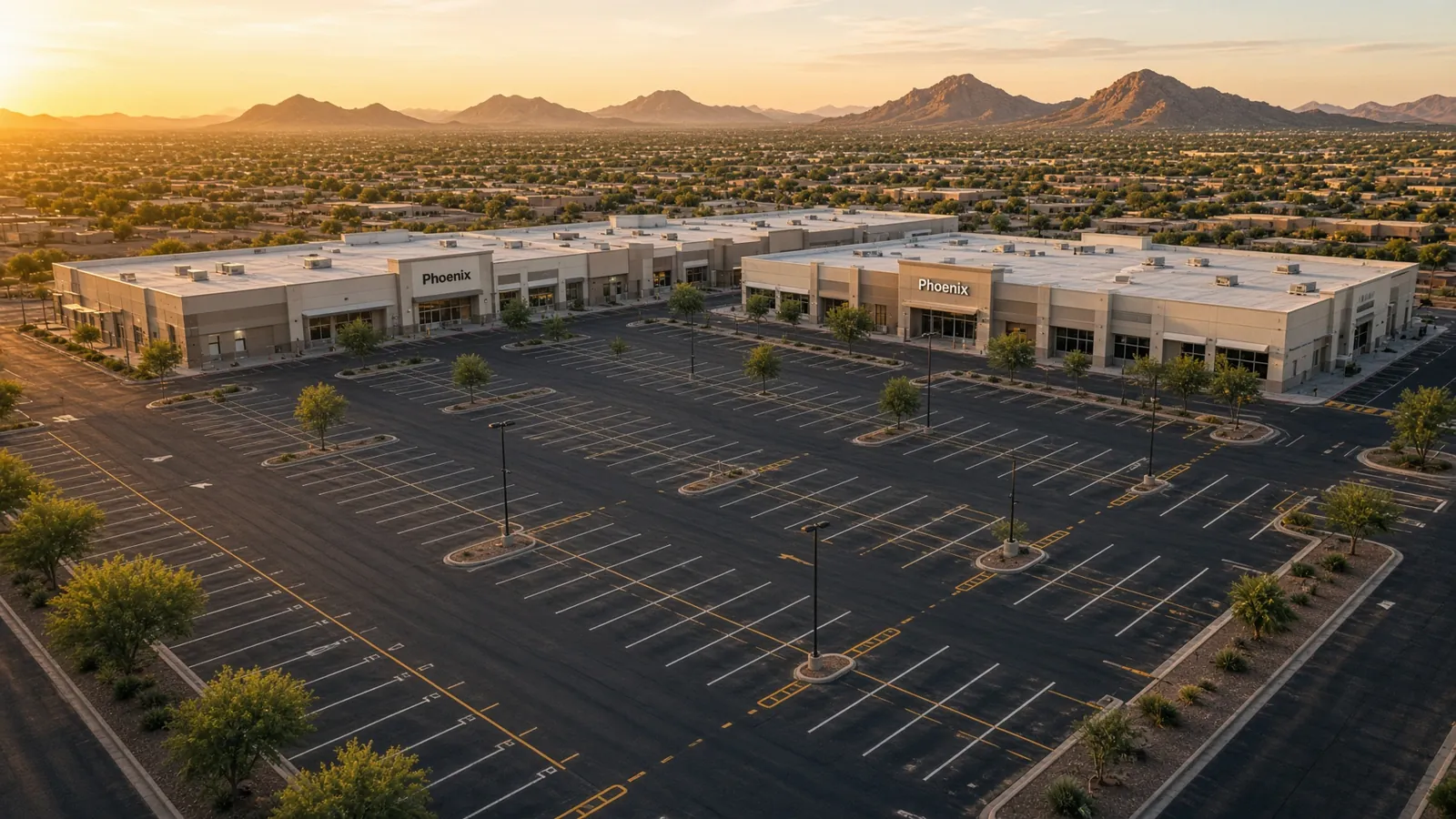
A well-applied water-based striping job on a typical Phoenix-metro commercial lot holds two to three years before it needs attention. High-traffic lots — student housing, busy retail, distribution yards — are closer to eighteen months to two years at the entrances and drive aisles, even when the perimeter still looks acceptable.
The shortening factor here is UV, not vehicles. Year-round sun exposure degrades the binder continuously, which is why an Arizona lot with light traffic still fades on a schedule that would seem premature in a cooler climate.
The signs it is time
You do not need a schedule to know. The lot tells you:
- Drivers straddling lines or parking crooked, which means the lines have stopped reading as clear boundaries.
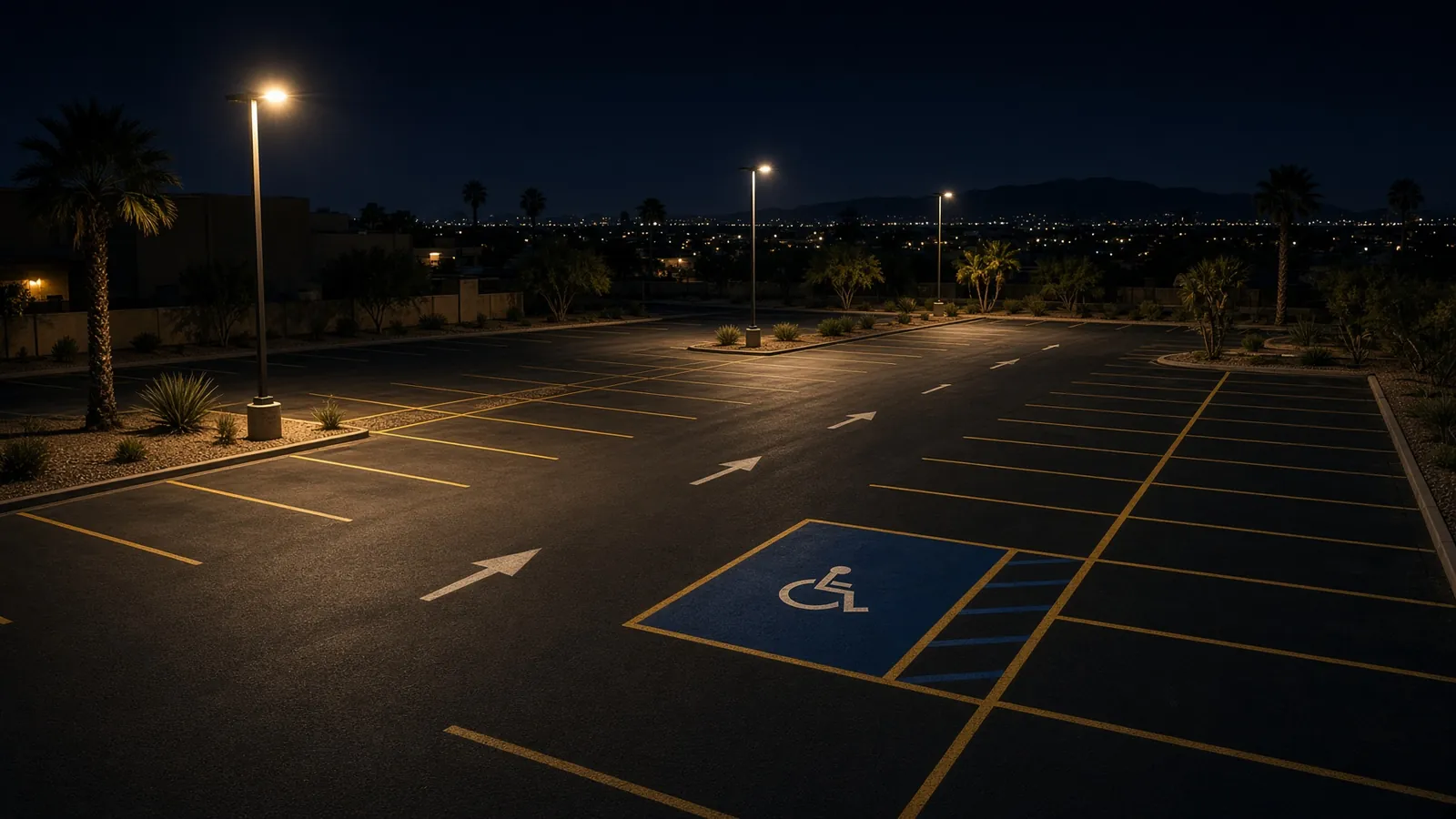
- Stall lines visible from a car but not from across the lot — the point where contrast has dropped below useful.
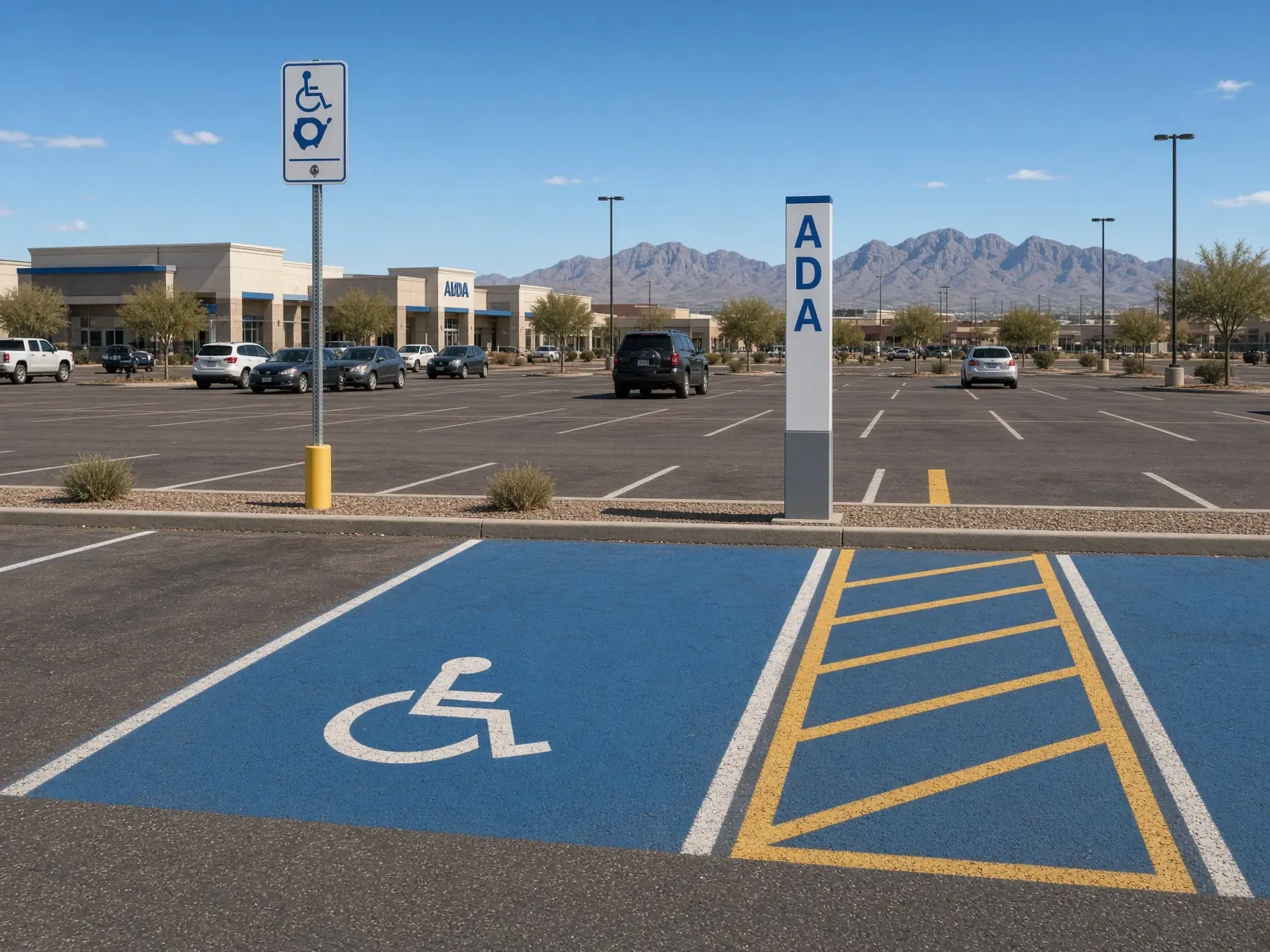
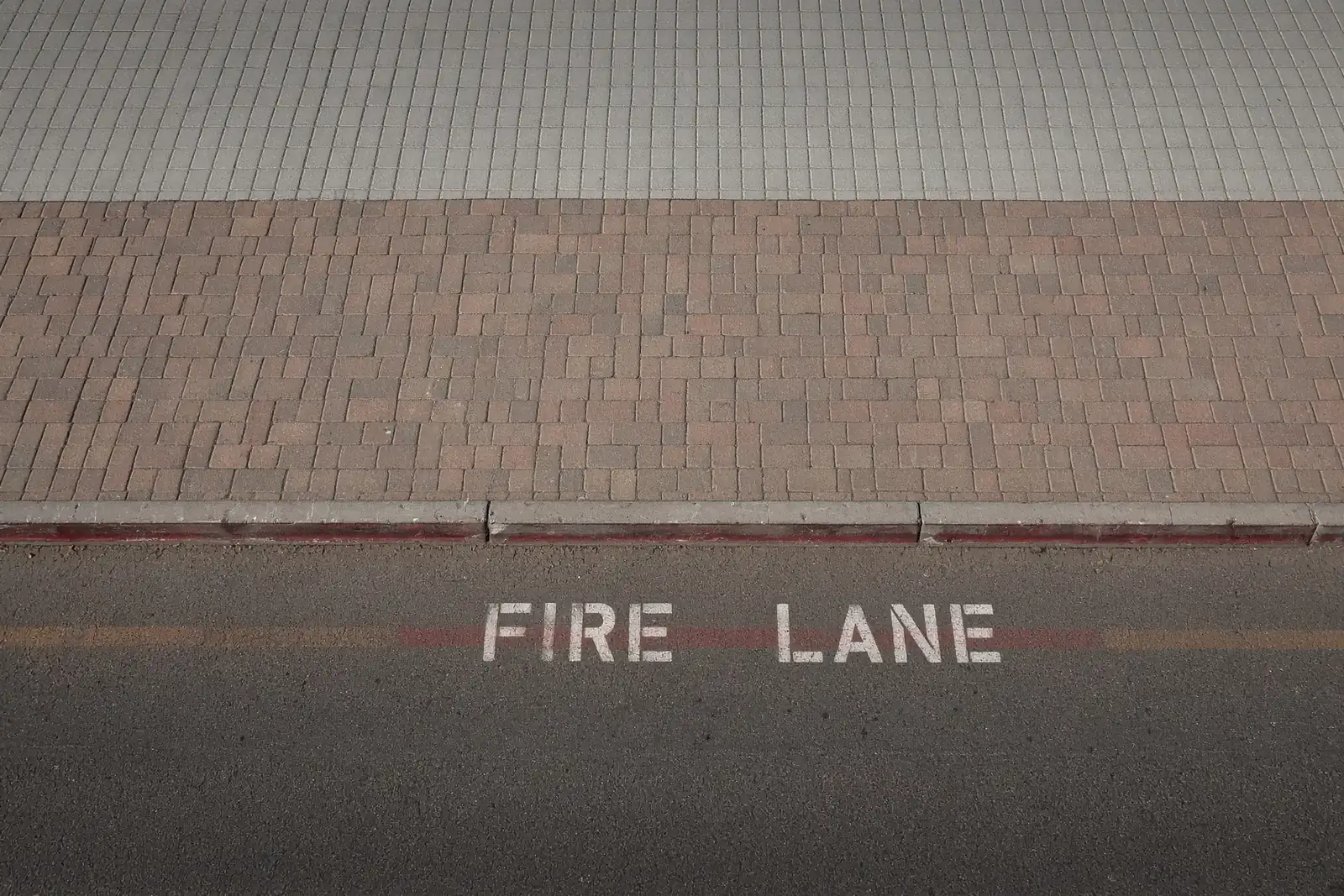
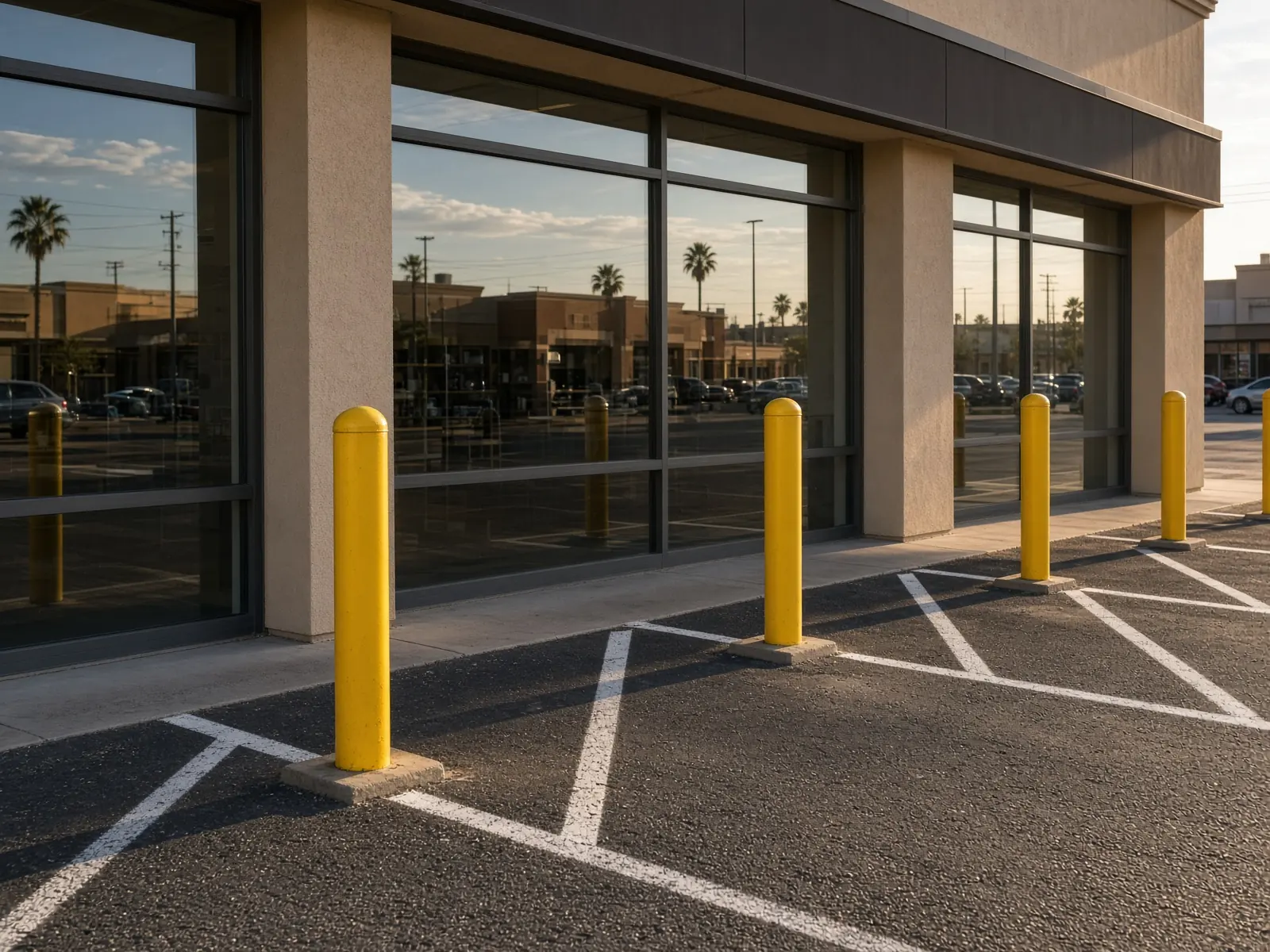
- ADA symbols or fire lane lettering that has faded, which is a compliance issue rather than a cosmetic one.
- Uneven wear, with entrances and aisles noticeably worse than the perimeter.
- Any change in your lot's requirements — an ADA update, a tenant change, a new drive-through or delivery route.
Why waiting costs more
A restripe over lines that are still faintly visible is straightforward: the crew follows the existing layout, and the job is priced accordingly — typically $8 to $16 per stall. Once the lines disappear entirely, the lot has to be measured and laid out from scratch at $18 to $32 per stall. See what striping costs in Arizona.
That is the entire economic argument for a schedule. Restriping on a cycle costs less per occurrence than restriping after the lines are gone, and considerably less than a correction notice on fire lane or accessible-stall marking.
Building a schedule
For most commercial properties in the metro: a full restripe every two to three years, a partial on high-wear sections at the halfway point, and an annual visual check on ADA and fire lane marking specifically, since those two carry compliance risk rather than just appearance risk.
If the lot is due for sealcoating, sequence it first — striping is always the last step, and painting a lot that is about to be sealed wastes the entire job.
Common questions
How long does parking lot paint last?
Two to three years in the Phoenix metro for a properly applied water-based job. Thin single-coat work applied to a hot surface can fade noticeably within one summer.
Should I sealcoat before restriping?
If the lot needs sealcoating, always do it first. Sealcoat covers existing lines completely, so striping before sealing means paying for the striping twice.
Can I restripe only part of the lot?
Yes, and it is often the right call. Entrances and drive aisles wear first. A partial at the halfway point of the cycle extends the life of the whole layout at a fraction of the cost.
Does restriping require a permit?
Repainting an existing layout as-is generally does not. Changing the layout, altering stall counts, or modifying accessible parking may trigger review depending on your city. Confirm before a redesign.